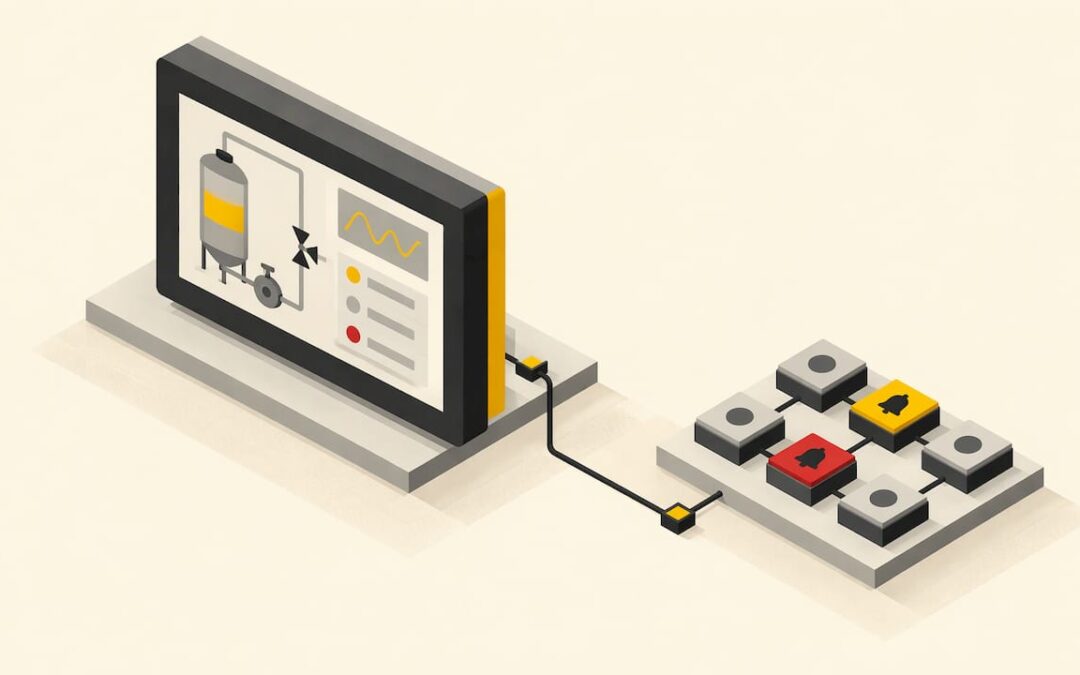
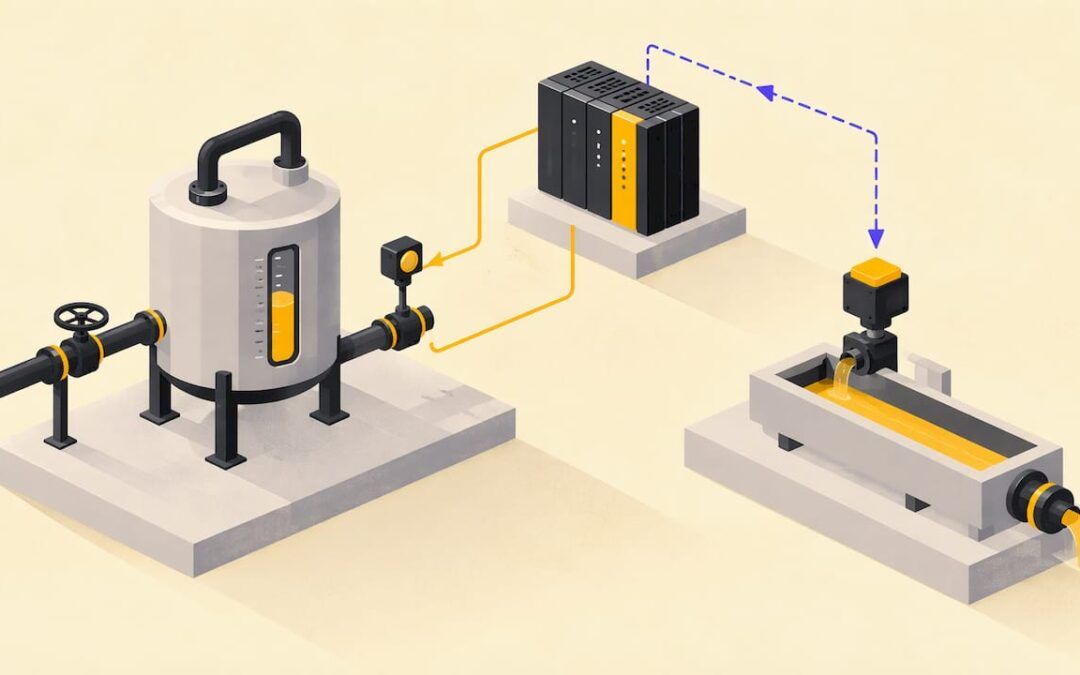
The fastest way to learn HMI work is to study complete, small screens and ask what operator task each one supports. This article walks through six practical examples (a pumping station, a conveyor, a Hand/Off/Auto selector, an alarm screen, a tank level display and a...
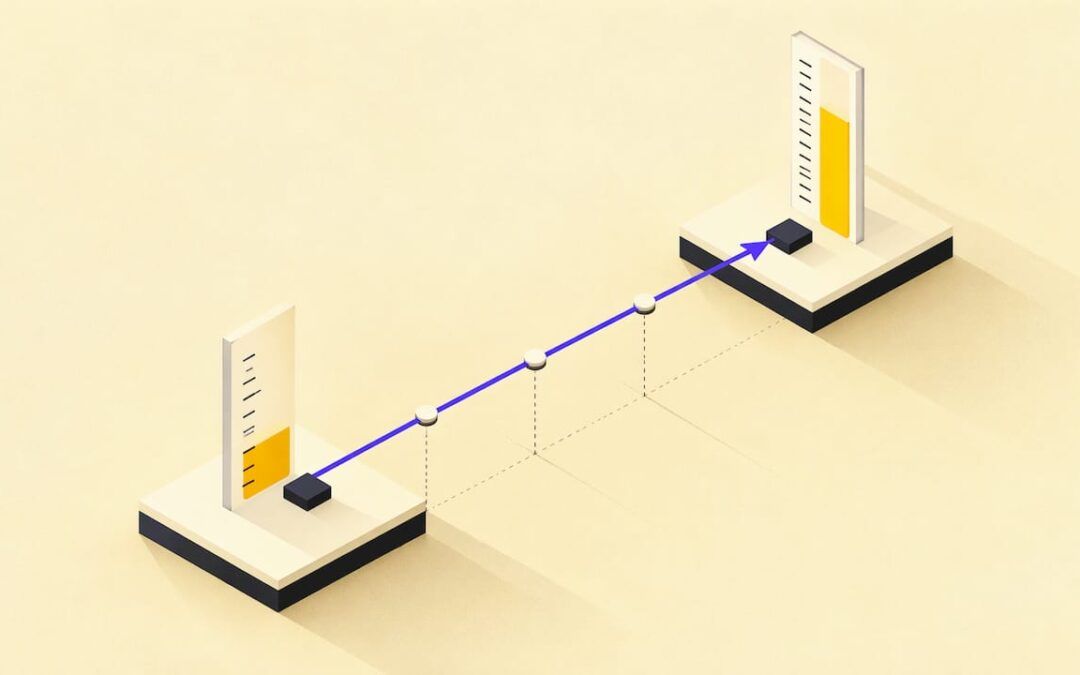
PLC analog input scaling is one linear equation that turns the raw count an analog card reports (for example 9,830) into the engineering unit your process cares about (for example 50 psi). You need two known points, the raw counts at the bottom and top of the signal...
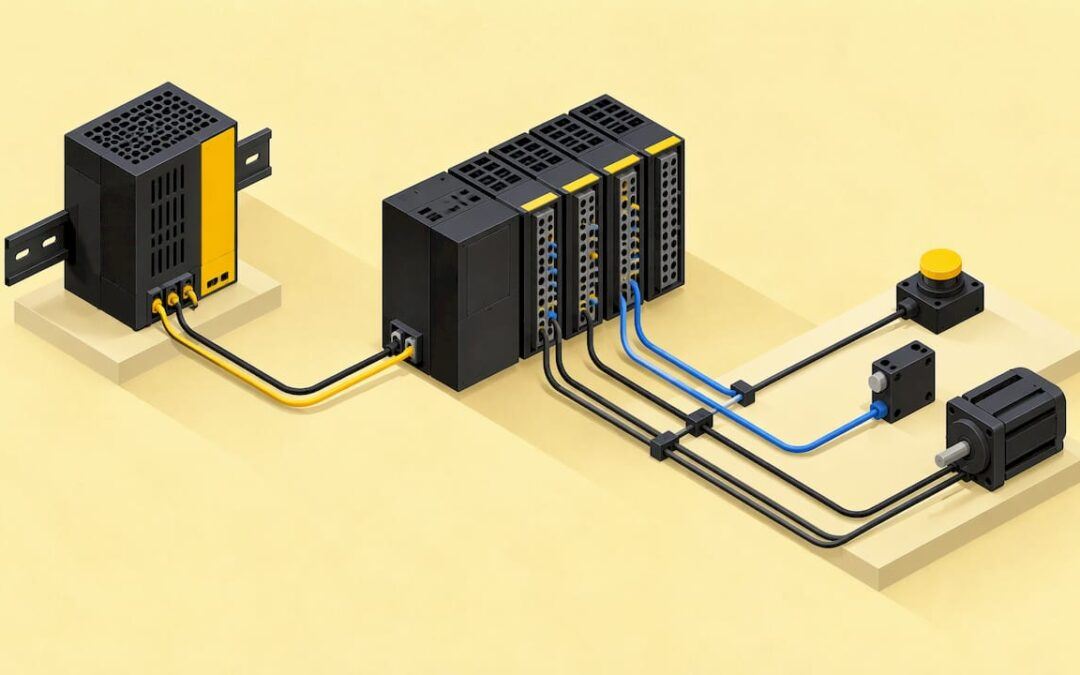
PLC wiring comes down to three circuits: power to the controller, field devices wired to input terminals, and output terminals wired to the loads they switch. Get the power, the commons and the output type right, and prove each point one at a time before the machine...
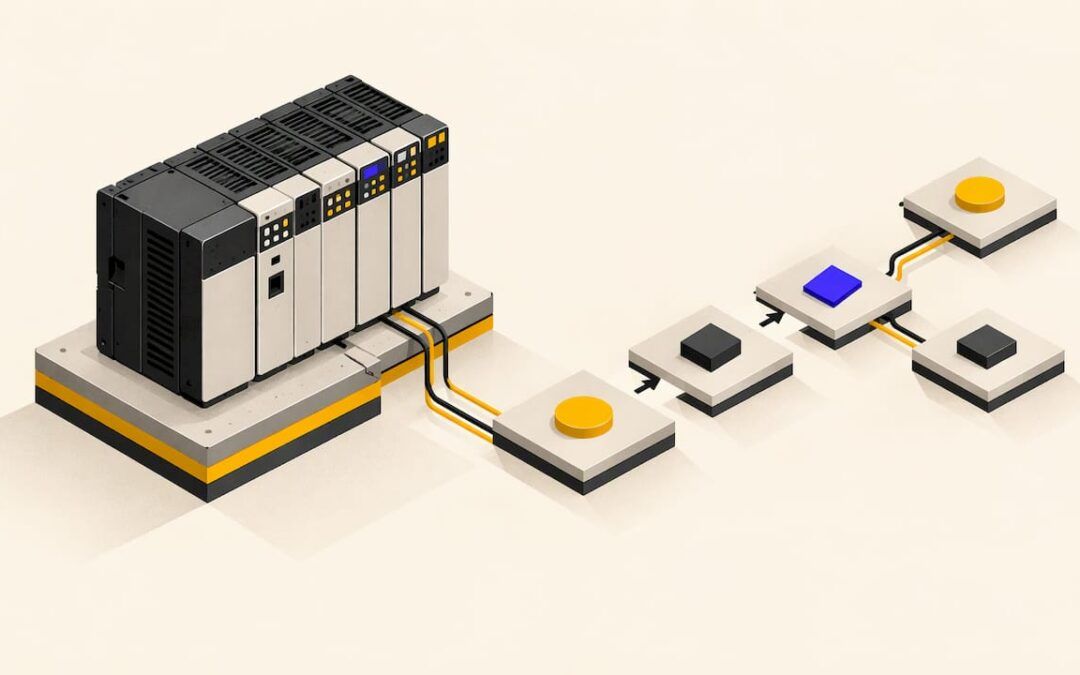
Good ControlLogix training teaches you four things in order: how the modular hardware fits together, how Studio 5000 Logix Designer organizes a project, how a controller scans its logic, and how to prove a fault with a method instead of guessing. Our on-demand Allen...
A control system measures what a machine or process is doing, compares it with what you want, and acts to close the gap. Learn that loop (reference, error, controller, actuator, plant, sensor) and you can read almost any control diagram and most PLC programs. This...
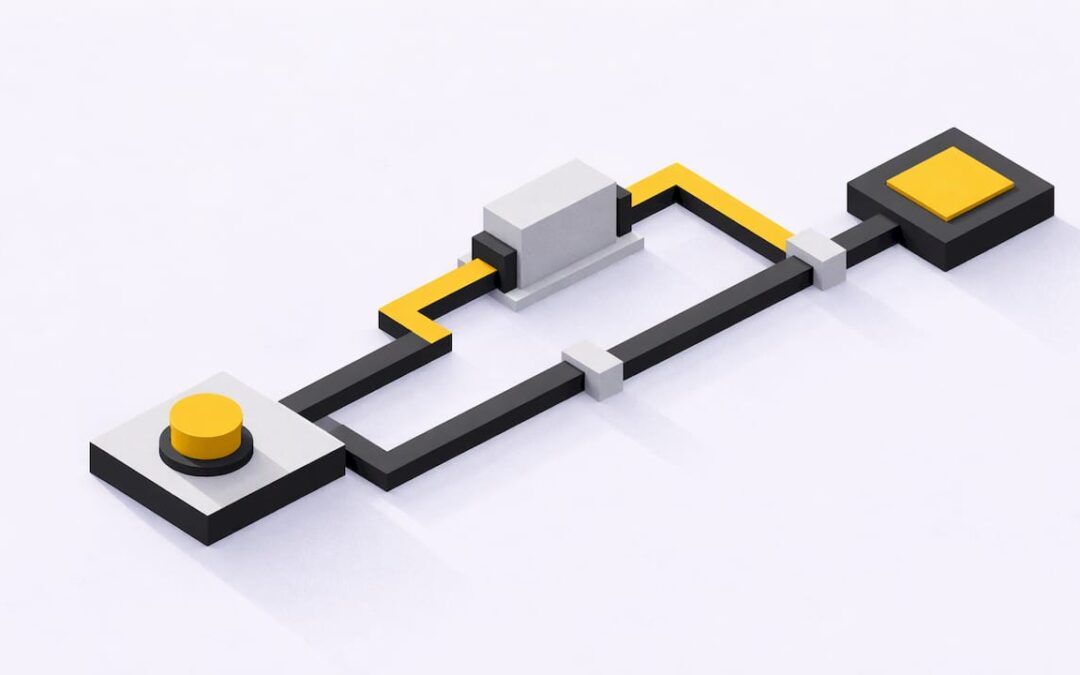
PLC start-stop logic is a ladder rung that lets a momentary Start pushbutton turn a motor on and keeps it running until a Stop pushbutton or a protective device breaks the rung. The trick is the seal-in: the output’s own contact sits in parallel with Start, so the...